Speakers
Plenary Speakers
(In alphabetical order by last name)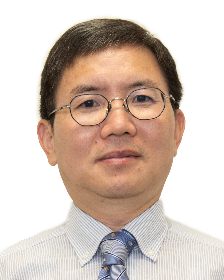
Dr. Guoqing Guan
Hirosaki University
Fellow of the Engineering Academy of Japan (EAJ)
Editor-in-Chief, Resources Chemicals and Materials
Bio
Dr Guoqing Guan is a full professor of Hirosaki University, a fellow of the Engineering Academy of Japan and a Distinguished Fellow of International Association for Carbon Capture (IACC). He received his B.S., M.S. and Ph.D degrees in Chemical Engineering from Sichuan University, China, and Kyushu University, Japan, in 1990, 1993, 1995 and 2004.
His research interests include electrochemical reduction of CO2, urea electrosynthesis, electro-upgrading of biomass intermediates, seawater electrolysis, coal/biomass/plastics pyrolysis and gasification, biorefinery, heterogeneous catalysts for energy conversion, and sustainable energy system.
He has published over 550 international peer reviewed papers, 65 patents and 30 book chapters with a H-index of 73 (WoS) and 84 (Google Scholar).
He is now serving as Editor-in-Chief of Resources Chemicals and Materials, Associate Editors of Carbon Resources Conversion and MetalMat, editorial board members of Fuel Processing Technology and other 5 international journals.
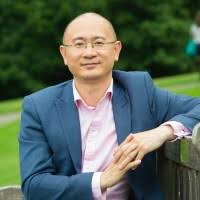
Prof. Sai Gu
University of Warwick
Fellow of the Royal Academy of Engineering (FREng)
Deputy Pro-Vice-Chancellor (East and South East Asia), University of Warwick
Bio
Professor Sai Gu is Deputy Pro-Vice-Chancellor (East and South East Asia) working closely with Professor Michael Scott, Pro-Vice-Chancellor (International), to maintain, extend and deepen our relationships with university partners in this region, and to pursue opportunities for funding, student mobility, and research and education collaborations.
Prof Gu obtained a PhD in Material Modelling from the University of Nottingham under the supervision of Professor Graham McCartney. He further pursued this material research with Professor Tian Jian Lu as Post-doc at the University of Cambridge. He was a lecturer at Aston University while working closely with Professor Tony Bridgwater in bioenergy research with focus on biomass fast pyrolysis. He continued to expand his bioenergy research at University of Southampton by developing an extensive international network in Asia, Africa and Europe from biomass resources, processing to product upgrading. He was appointed Chair in Clean Energy at Cranfield University in 2011 in partnership with Peterborough City Council to support the growth of high tech sectors. He subsequently established Centre for Bioenergy and Resource Management with large number of PhD and Post-doc researchers. He joined the University of Surrey as the Head of Chemical Engineering in 2015 and engineered the transformation of the department by substantially increasing its size and strengthening its research. He also led the merge of chemistry and chemical engineering as the Head of School of Chemistry and Chemical Engineering at University of Surrey.
Professor Gu has an international reputation for clean energy and material research. He has a long track-record of coordinating large collaborative projects with international partners and has successfully won tens of million pounds in grants from EPSRC, EU, Innovate UK and industry.
Professor Gu is an advocate of digital technologies for chemical engineering, pioneering the development of Industry 6th Sense technologies. He has established the Centre for Connected Plants of the Future to bring together multi-disciplinary expertise cross the University of Surrey, exploring the development of technology-driven innovation for chemical industry. He has led the EPSRC project "Stepping towards the industrial 6th sense".
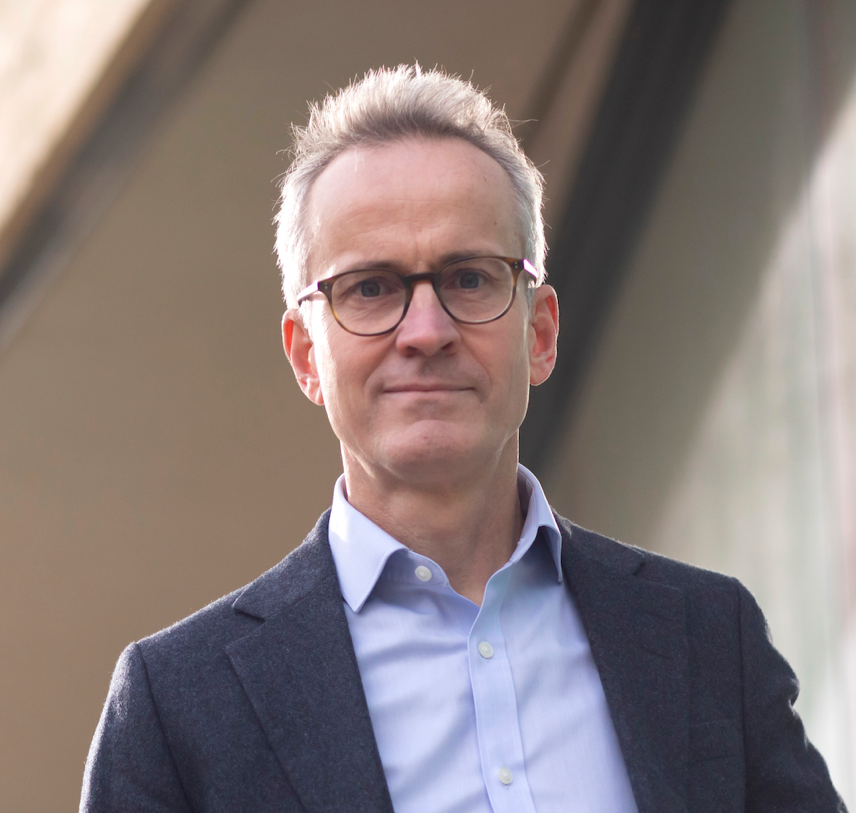
Prof. Gideon Henderson
University of Oxford
Professor of Earth Sciences
Bio
Gideon Henderson is Professor of Earth Sciences at the University of Oxford. His research as a geochemist focuses on climate, the carbon cycle and the oceans. He applies understanding of natural geochemical systems to assess CO2 removal through intentional human intervention in those systems, both on land and at sea.
He was made a Fellow of the UK’s Royal Society in 2013 and chaired the joint Royal Society and Royal Academy of Engineering report on Greenhouse Gas Removal published in 2018; a report which influenced subsequent UK policy on CO2 removal. He has spoken widely on CO2 removal, including at the World Economic Forum, Select Committees in UK Government, and at numerous academic and industry events.
From 2019 to 2025 Gideon was the Chief Scientific Advisor and Director General for Science and Analysis at Defra (the UK government department responsible for agriculture and the environment). In addition to his university position, he presently serves as Chair of the Met Office Science Advisory Committee and on NERC Council, and he recently stepped down as a member of the Advisory Board to the UN Decade of Ocean Science.
https://en.wikipedia.org/wiki/Gideon_Henderson
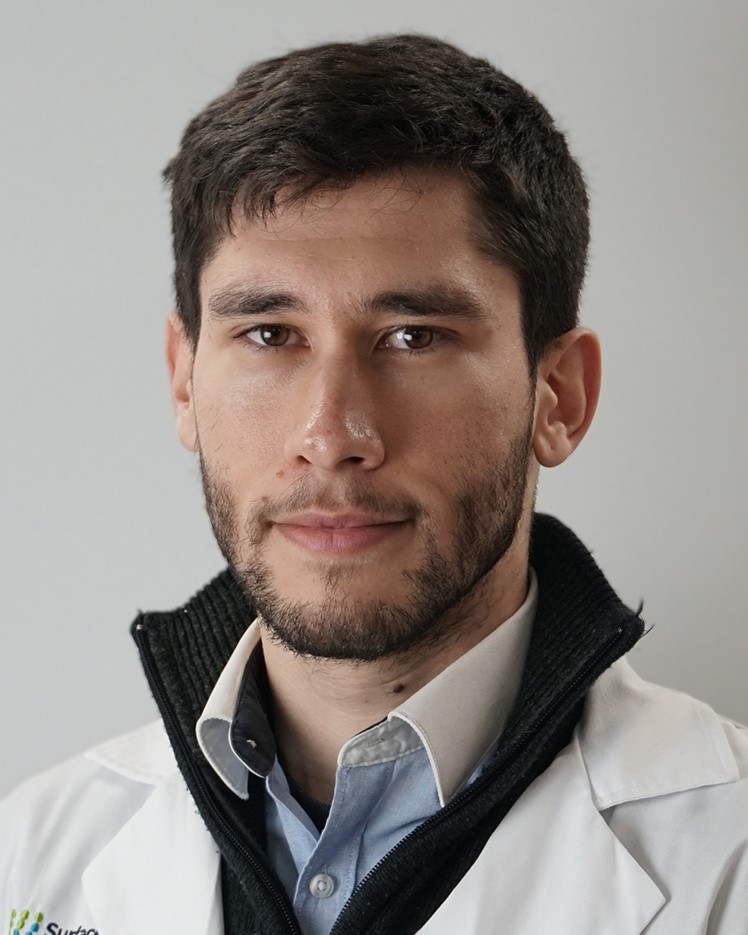
Dr. Paul Iacomi
Surface Measurement Systems
Head of Research
UKRI Future Leaders Fellow
Presentation title: Realistic screening of materials for carbon capture at the lab scale: cycling, water, sour gas, kinetics, and more
Bio
Dr. Paul Iacomi is Head of Research at Surface Measurement Systems and an UKRI Future Leaders Fellow (~£2 million fellowship). His research focuses on the advanced characterisation of porous and finely divided materials, with particular emphasis on gas adsorption, sorption methodology, and the development of next-generation scientific instrumentation. He has previously worked on flexible and defect-engineered metal-organic frameworks, studying how structure, stimuli, and defects influence adsorption and separation behaviour. His broader interests include applications in carbon capture, gas separation, and sensing, and he also develops open-source tools for scientific and academic use. He has published 31 peer-reviewed papers (h-index 18) and one book chapter, and holds 3 patents.
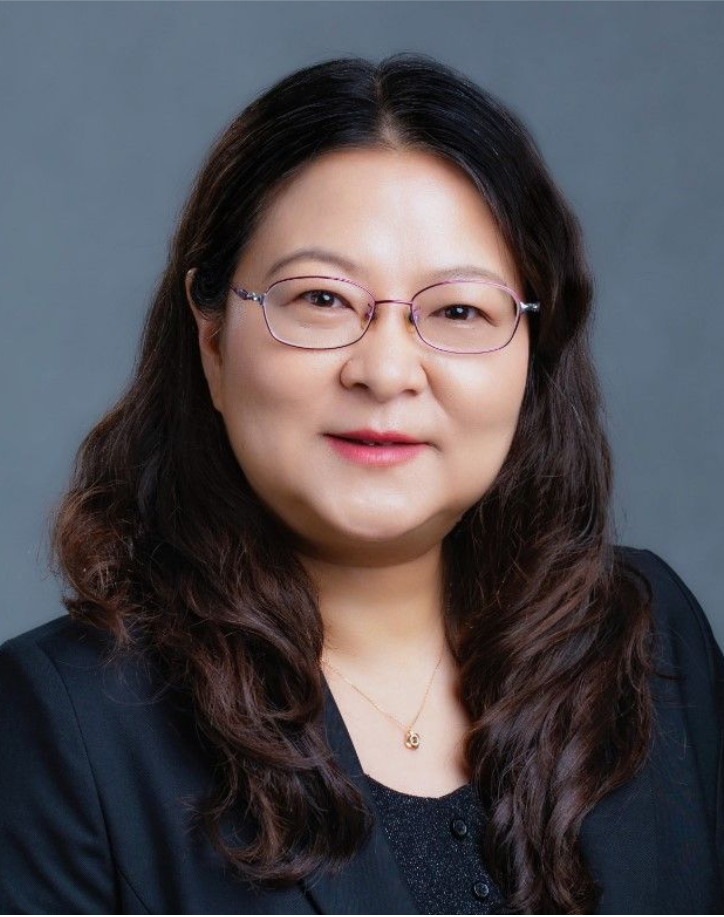
Prof. Shengping Wang
Ningxia University / Tianjin University
Changjiang Distinguished Professor
Professor of Ningxia University and Tianjin University
Bio
Shengping Wang is a Changjiang Distinguished Professor and a member of the Expert Committee on CCUS for the 2030 National Major Science and Technology Project for Coal. She earned her B.S. (1994) and M.S. (2000) degrees from Hebei University of Technology, and her Ph.D. (2003) in Chemical Engineering from Tianjin University. She joined the faculty of Tianjin University in 2003 and later became a professor in Chemical Engineering at Ningxia University in 2023. In 2012-2013, she was a visiting professor at the University of California, Berkeley, collaborating with Professor Enrique Iglesia. Her research focuses on surface science and catalysis, including CO2 capture and utilization, as well as the utilization of synthesis gas, with a particular emphasis on the design and structure-performance relationships of catalytic and adsorbent materials. She has published over 150 papers in leading journals such as JACS, Angew. Chem. Int. Ed., Energy Environ. Sci., and ACS Catalysis. She holds 42 patents in China, as well as 8 patents in the U.S., Europe, and Japan. Prof. Wang has received several prestigious awards, including the First Prize of the Tianjin Natural Science Award and the China Excellent Patent Award.
Prof. Jiayin Yuan
Stockholm University
Wallenberg Academy Fellow
Senior Editor, Accounts of Materials Research
Bio
Jiayin Yuan is Professor of Materials Chemistry at Stockholm University, Sweden. He earned his PhD in polymer chemistry in Germany in 2009 and subsequently led a research team developing functional polymers at the Max Planck Institute of Colloids and Interfaces, Germany. After a one-year stay in the United States, he joined Stockholm University as a Wallenberg Academy Fellow in 2018 and has been a full professor since 2019.
He received an European research council (ERC) Starting Grant in 2014 and an ERC Consolidator Grant in 2022. His current research focuses on functional polymers and carbon materials for tackling environmental and energy challenges in sustainable development.
Prof. Aidong Yang
University of Oxford
Professor of Engineering Science, University of Oxford
Leader of Energy and Environmental Systems Engineering Group
Bio
Aidong Yang is Professor of Engineering Science and Senior Research Fellow of Green Templeton College at University of Oxford. Before moving to Oxford in 2014, Aidong was a Senior Lecturer in the Department of Chemical and Process Engineering at University of Surrey, where he started as a Lecturer in 2007 after holding research positions in several academic organisations in China, the US, Germany and the UK.
He studied Chemical Engineering in Hebei University of Technology and Dalian University of Technology and received a bachelor's degree and a PhD in 1992 and 1997, respectively.
As a systems engineering researcher, Aidong's work spans a broad range of mathematical modelling approaches and sustainability-oriented applications. At Oxford, he leads the Energy and Environmental Systems Engineering group in the Department of Engineering Science, currently active in areas including industrial decarbonisation, atmospheric CO2 removal and engineering biology.
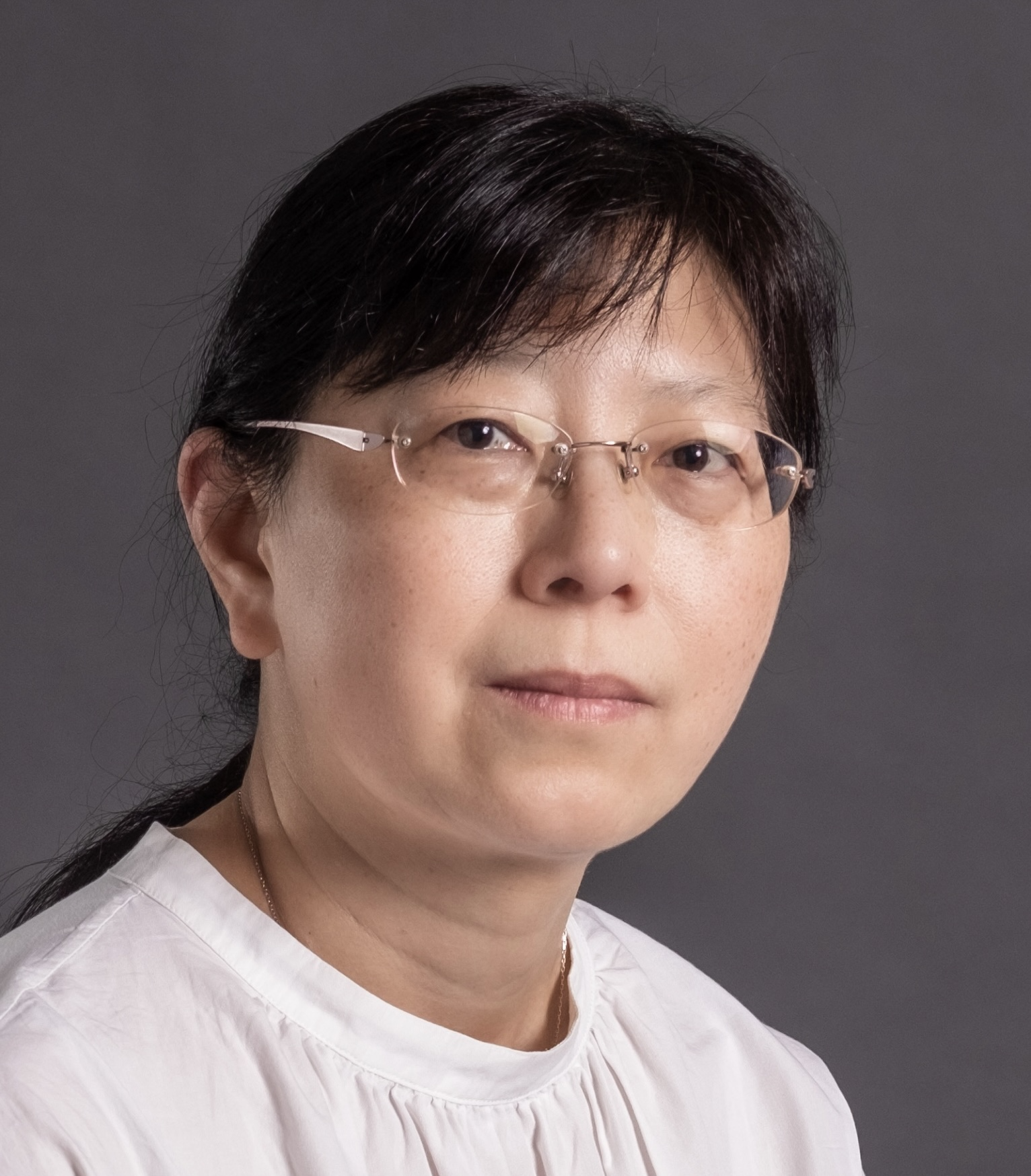
Prof. Eileen Yu
University of Southampton
Professor of Chemical Engineering (Chair), School of Chemistry and Chemical Engineering, University of Southampton
Editor-in-Chief, Fuel Cells (Wiley)
Bio
Professor Eileen Yu holds a Chair of Chemical Engineering in the School of Chemistry and Chemical Engineering, University of Southampton. After obtaining her PhD from Newcastle University pioneering on the development of direct methanol alkaline fuel cells, she worked as a research fellow at Max Planck Institute for Dynamics of Complex Technical Systems, Germany before she returned to Newcastle University to take a prestigious EPSRC Research Fellowship (Life Science Interface). This fellowship enabled her to extend her research into the biosciences, from which she has developed an interdisciplinary research profile.
She has a wide range of experience in various fields in electrochemical and bioelectrochemical systems for energy, environmental and biomedical applications. She has attracted more than £20m funding from various funding organisations and led interdisciplinary research group.
Her current research covers understanding fundamentals and engineering applications of electrocatalysis and microbial electrochemical systems with CO2 utilisation, CO2 capture, nitrogen fixation, resource recovery from wastes, bioremediation, environment monitoring with bio-electrochemical systems, and biosensors.
She is the Editor in Chief of Fuel Cells (Wiley), and Associate editor for several journals.
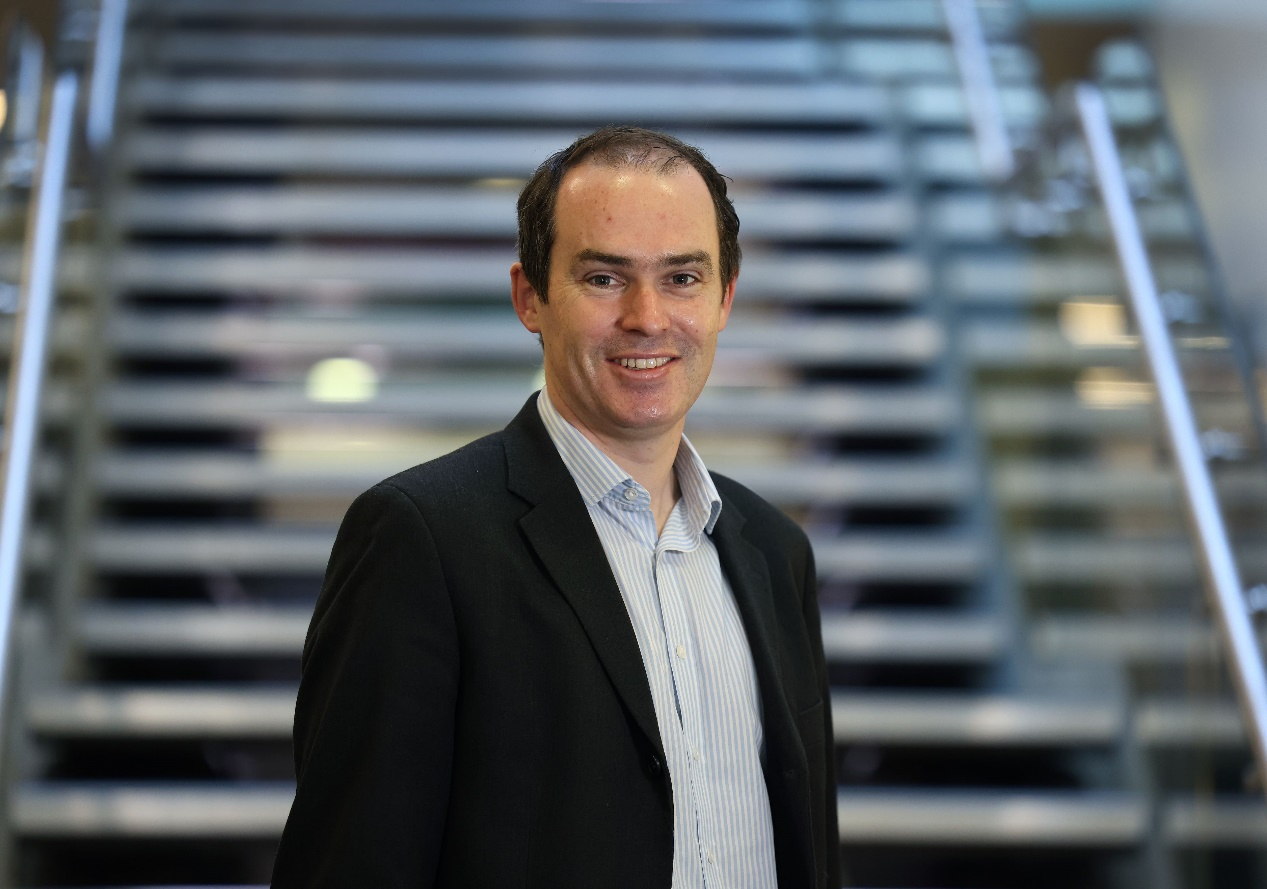
Alexander Cowan
University of Liverpool
Professor of Chemistry
Bio
Alexander Cowan is a Professor of Chemistry at the University of Liverpool, where he leads a research group focused on catalysts for sustainable fuel production. His work spans electrocatalytic CO₂ reduction, water splitting, and solar driven fuel synthesis. Notable advances include work on the use of highly selective molecular catalysts in carbon dioxide electrolysers and on the use of advanced vibrational spectroscopies to follow the catalytic mechanisms of CO2 reduction and water oxidation in-situ.
He joined Liverpool in 2012 after roles at Imperial College London and the University of Nottingham, and was promoted to Professor in 2019. He has held multiple EPSRC Fellowships and serves as Director of the UK Solar Chemicals Network. He is proud to have been part of the team who delivered the UK Circular Chemistry Centre that was awarded the IChemE Global Award for Sustainability (2023) and the RSC Horizon Prize for Energy and Sustainability (2025).
Tianshu Ge
Shanghai Jiao Tong University
Subject Editor, Energy (Carbon Capture)
Distinguished Professor, SJTU
Bio
Prof. Tianshu Ge is currently a Distinguished Professor at the School of Mechanical Engineering and the Global Institute of Future Technology, Shanghai Jiao Tong University (SJTU). She received her Bachelor's and Ph.D. degrees in Refrigeration and Cryogenics Engineering from SJTU in 2004 and 2009, respectively. She was jointly trained at the Technical University of Berlin and visited the National University of Singapore.
Her research focuses on the thermal management of water/CO₂ in the air by adsorption, such as desiccant air conditioning, atmospheric water harvesting, and direct air capture. She has led over 40 projects, including those funded by the National Natural Science Foundation of China and the National Key R&D Program of the Ministry of Science and Technology.
She has published over 100 SCI papers in journals such as Chemical Society Reviews, Energy & Environmental Science, and Matter, and holds more than 20 authorized invention patents (including two European/US patents).
She has been recognized on the World's Top 2% Scientists (Stanford University) and the China Highly Cited Scholars (Elsevier). Her awards include the Global Energy Prize International Youth Program, the Willis H. Carrier Young Scholar Award from the International Institute of Refrigeration, the Wu Zhonghua Outstanding Young Scholar Award, the First Prize of Shanghai Technological Invention Award, the Second Prize of Shanghai Teaching Achievement Award, and the Shanghai Women's Innovation and Emerging Star Award.
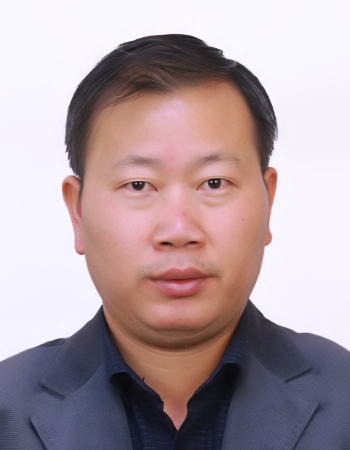
Prof. Guanyi Chen
Tianjin University of Commerce
Distinguished Professor of BioEnergy and Environment
President, Tianjin University of Commerce
Associate Editor, Biomass & Bioenergy
Presentation title: Thinkings on Biomass Carbon Sequestration and Storage
Abstract
Against the backdrop of global carbon neutrality goals and the urgent demand for green energy transition, technologies for biomass carbon sequestration, carbon storage, carbon capture and utilization serve as core pathways to achieve negative carbon emissions and address the challenges of greenhouse gas mitigation, offering vital support for ecological carbon fixation and clean resource-oriented utilization of biomass. This work systematically elaborates the technical system of biomass carbon sequestration and storage targeted at carbon capture and utilization. It focuses on key processes and core technologies for full-chain low-carbon biomass utilization, and sorts out the life-cycle carbon reduction mechanisms of biomass resource conversion. Taking arundo donax, which features good adaptability to marginal land and outstanding carbon sequestration efficiency, as a typical biomass carrier, it explores how planting optimization improves primary carbon sink capacity and analyzes the life-cycle carbon footprint characteristics of biomass conversion and utilization. On this basis, it elaborates a series of core technologies for low-carbon biomass utilization, including high-efficiency CO2 capture via membrane separation, and the pathway of wind-solar power-assisted biomass resource conversion with CO2 acting as the gasifying agent. It also presents the application value and industrial implementation of natural-working-fluid CO2 heat pump refrigeration technology in system energy conservation, comprehensive utilization of cooling and heating energy, and CO2 utilization. Combined with the current industrial development status, the report analyzes the technical deficiencies and industrialization bottlenecks existing in current biomass carbon sequestration and carbon utilization systems. The integrated bioenergy with carbon capture and utilization system built upon the above technologies enables the in-depth coupling of ecological biomass carbon sequestration and engineered carbon utilization. It provides important technical references and practical pathways for the large-scale development of China's negative-carbon biomass industry, the construction of an innovative low-carbon energy system, and the delivery of carbon peaking and carbon neutrality goals.
Bio
Dr. Guanyi Chen, Distinguished Professor of BioEnergy and Environment, and president at Tianjin University of Commerce, has dedicated many years to the field of agricultural waste utilization for the production of biomass-derived gas/biogas and liquid fuels, as well as the control of associated environmental pollution. He is an active member of the International Standard Organization (ISO/TC255), focusing on safety and environment issues in biogas. Since 2021, he has represented China as an IEA Bioenergy-Gasification Task expert. He has played a critical role in leading several major symposiums, serving as the Chairman of the International Symposium on Biomass/Waste Energy and Environment since 2017, and the 6th and 7th International Symposium on Gasification and Its Applications in 2018 and 2021, respectively.
He is the associate editor for the journal Biomass & Bioenergy, and the editor for Environmental Functional Materials. He has published 600+ papers in peer-reviewed journals and 90+ patents (China, USA, Europe and Japan etc.), and published 8 books. He has been responsible for a large number of research and development projects at local, national and international level in the field concerned. Prof. Chen's exemplary work has earned him two second-place awards and one first-place award in National S&T progress. In 2022, he was honored with the prestigious Pandey Award at the International Bioprocessing Association (IBA).
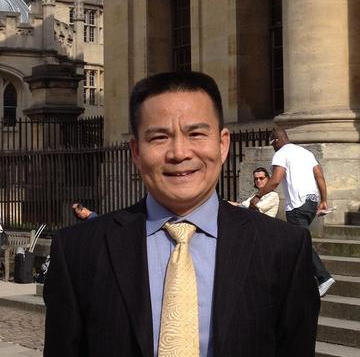
Dr. Tiancun Xiao
University of Oxford
Co-Founder and CTO of OXCCU
Bio
Dr Tiancun Xiao is a distinguished research scientist at the Department of Chemistry, University of Oxford, specialising in advanced catalysis and carbon capture & utilisation. He has pioneered highly efficient catalytic technologies for converting CO₂ and waste carbon feedstocks into sustainable fuels and high-value chemicals, with landmark publications and industry-validated innovations.
As Co‑Founder and CTO of OXCCU, he led the development of the company’s core direct CO₂-to-hydrocarbons and sustainable aviation fuel (SAF) platform, turning lab-scale breakthroughs into scalable industrial solutions. His research has accelerated global decarbonisation pathways, bridging academic excellence with real-world carbon utilisation impact.
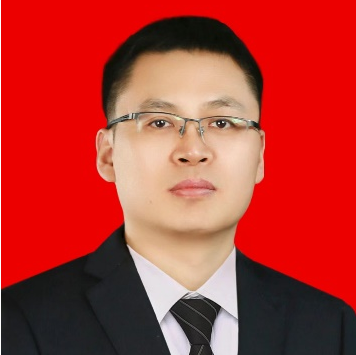
Prof. Donghai Xu
Xi'an Jiaotong University
Professor and Ph.D. supervisor, School of Energy and Power Engineering
National Young Talent Program recipient
Bio
Donghai Xu is a Professor and Ph.D. supervisor at the School of Energy and Power Engineering, Xi'an Jiaotong University, and a National Young Talent Program recipient. He serves as the Director of the Institute of Thermal Engineering and the Director of the Xi'an International Joint Research Center for Advanced Biomass Energy Technologies.
His research focuses on biomass thermochemical conversion and related areas. He has led over 10 national-level research projects, and published more than 200 SCI-indexed papers, including 8 ESI highly cited papers, with over 7,000 citations. He has authored five monographs in Chinese and English and been granted 67 invention patents.
He has received several prestigious awards, including the China Excellent Patent Award, the First Prize of Science and Technology Award of the China Federation of Commerce, and the First Prize of Natural Science of Shaanxi Province. He has been continuously listed for six consecutive years in the World's Top 2% Scientists (Annual Impact List) jointly released by Stanford University and Elsevier.